Submitting an Abstract - Help
Are you considering presenting at the conference but are not sure how to go about it or what the different types of session mean?
We want to have a wide range of presenters from different settings and backgrounds, including those who have never been to a conference before.
The information and video on this page has been designed to support you in thinking about the sort of presentation you might do and putting together an abstract for it.
If you need further support or information please contact us and we will provide 1 to 1 support through email or a video chat.
When you have finished on this page you can click here to return to the Submit an Abstract page.
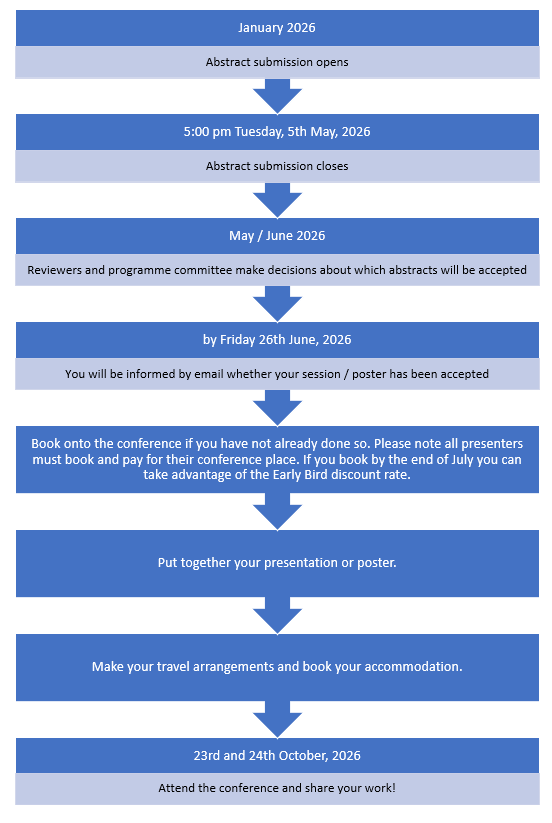
The deadline for submissions is Tuesday 5 May 2026.
Your submission
You will need to submit an abstract if you would like to share your work at BCME 10. If you haven’t been through this process before, you will find the video (above) and text (below) useful.
The conference will have various types of sessions over the two days. The key note speakers and the panel discussion have been organised by the Programme Committee.
The other sessions will be selected from those that submit abstracts (more on this process below).
You will have 25 minutes, made up of a 15 minute presentation followed by 10 minutes for questions from the audience. Organisers will pair you with another research / practice seminar and the programme will show the order that you both present. A chair will be provided who will facilitate the session. The chair will introduce each speaker, give time reminders and manage the question and answer session. Usually you will be paired with someone with a similar topic or target audience.
The presentations usually involve talking with a slide show. It is important to practise this ahead of time so that you can keep within the time limits. Fifteen minutes is much shorter than you think.
You can present on your own or you can present with one or more colleagues.
The focus of the seminar could be a research project, either completed or in progress. The presentation might give an overview of the whole project or might focus on a small aspect. In 15 minutes you will not be able to give a detailed presentation about the background literature, theoretical framework, methodology, findings and conclusions. You will need to be selective about which aspects you highlight. When deciding on this you need to consider what you want delegates to take away from the presentation. If you choose to submit a paper for the proceedings you would be able to provide greater detail about the project.
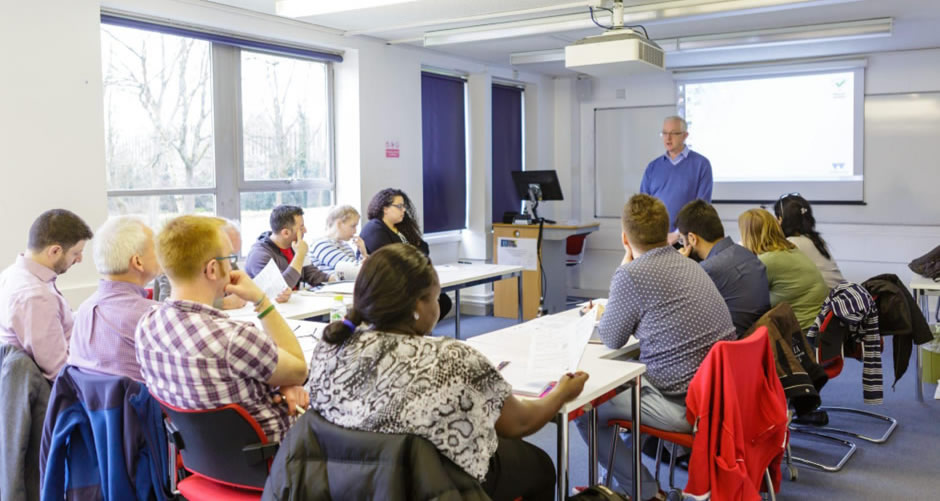
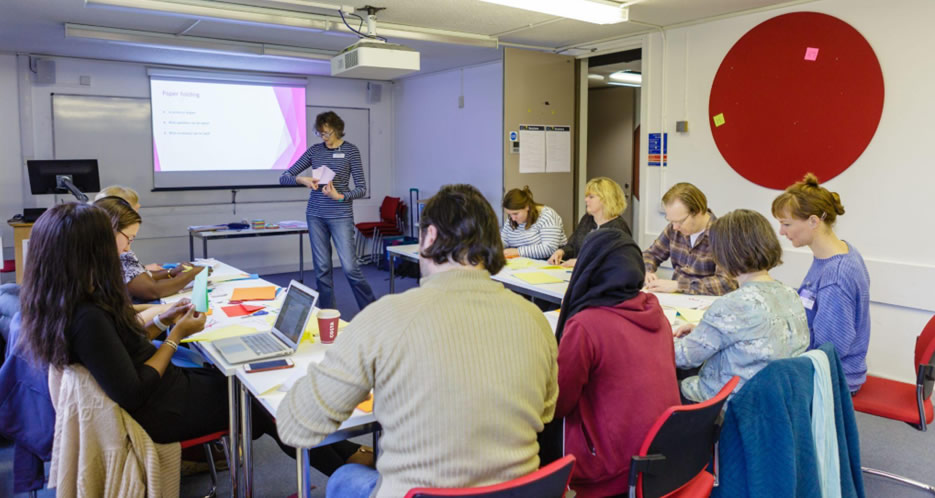
If you are presenting about your practice you need to have a tight focus and include the context in which this practice is taking place. The context could include aspects like the learners involved, their age, the type of school, the socio-economic circumstances, local and national policies. You should provide some theoretical underpinnings for the practice, as well as its impact on learners. When designing your presentation, think about what you want delegates to take away from it. e.g. Would they want to replicate this practice in their own setting? Would they have enough information to be able to do this?
The research symposium is very similar to the research / practice seminars but this is designed for more complex presentations and multiple presenters. The total for the presentation is 35 minutes. This could be a single presentation with multiple presenters or a series of shorter, related presentations but it needs to make a coherent whole. It is your decision how the time is subdivided among presenters.
The research symposium is ideal for a group of people who have collaborated around a similar theme or who have conducted a large project together. It could be an opportunity to explore a research project and the practice related to it.
You will need to provide a chair for the symposium who acts as the host. They will organise the order of the presentation(s) and ensure each section keeps to time. They may introduce individual speakers and provide a thread to help demonstrate the coherence. At the end of the presentation the chair draws out the key themes and facilitates the 15 minute discussion between the delegates and the presenters.
Examples:
A researcher has facilitated a group of 3 teachers doing action research in their classrooms. The researcher acts as the chair and explains the context of the project and how the 3 presentations relate to each other.
A university research team has collaborated on a research project. One member of the team acts as the chair and sets the context. The rest of the team present individual aspects.
A school has been looking at an aspect of practice across the age range. A group of teachers present what they have found in their year groups. The school’s maths subject leader / head of department acts as the chair.
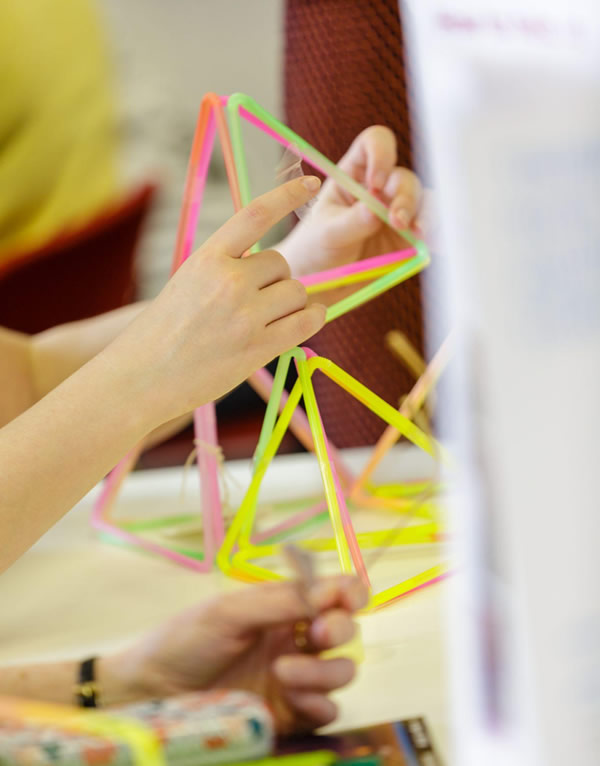
Interactive workshops are an opportunity to engage delegates in mathematical tasks. These could relate to a specific practice or resource. This engagement should lead to reflections on learning and teaching processes. As well as engaging in discussion with others on their table, there would usually be a wider discussion, perhaps as a plenary, allowing everyone to learn dialogically with others and share different perspectives. It is important that you have thought about your expected learning outcomes for the session.
The standard workshop is 50 minutes, allowing time for both the practical engagement and discussion. If you feel that your workshop needs longer it is possible to request a double-length session (1 hour and 40 minutes) but be aware that the number of these will be limited.
You will need to provide sufficient resources for all of the delegates at your session. If there is a maximum number of delegates this needs to be clearly stated in the abstract.
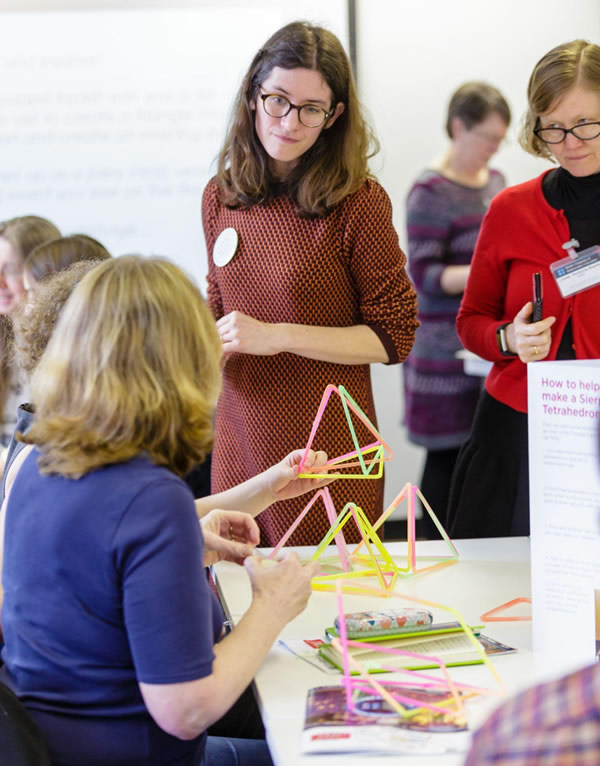
Round table discussions are an opportunity for delegates to explore an issue, policy or specific publication. You may have a piece of research or a proposal that you wish to seek input or advice about. You may be interested in gathering a wider range of views, outside of those you can currently access. Round table discussions are much more exploratory than seminars or symposiums. In order to facilitate the discussion the number of delegates will be capped at 16. In your abstract you should identify if there are any types of delegate (e.g. professional role and / or age phase) you are particularly seeking.
Round table discussions would often involve a pair or small team of presenters. One of these will act as the chair to manage the flow of the discussion, encourage involvement from all participants and ensure the session keeps to time.
The round table might start with a brief presentation (5 minutes) or summary of the issue before inviting delegates to discuss the issues. You may structure this around key points or questions for the delegates. The majority of the 50 minute session should be spent in discussion. You may choose to finish the session by trying to summarise what has been discussed.
Any materials to be discussed will need to be provided. It is helpful that these are available to delegates before the session so they have the chance to go through and reflect upon them ahead of time. If the materials are not open access, the presenter will need to find legal ways of making them available.
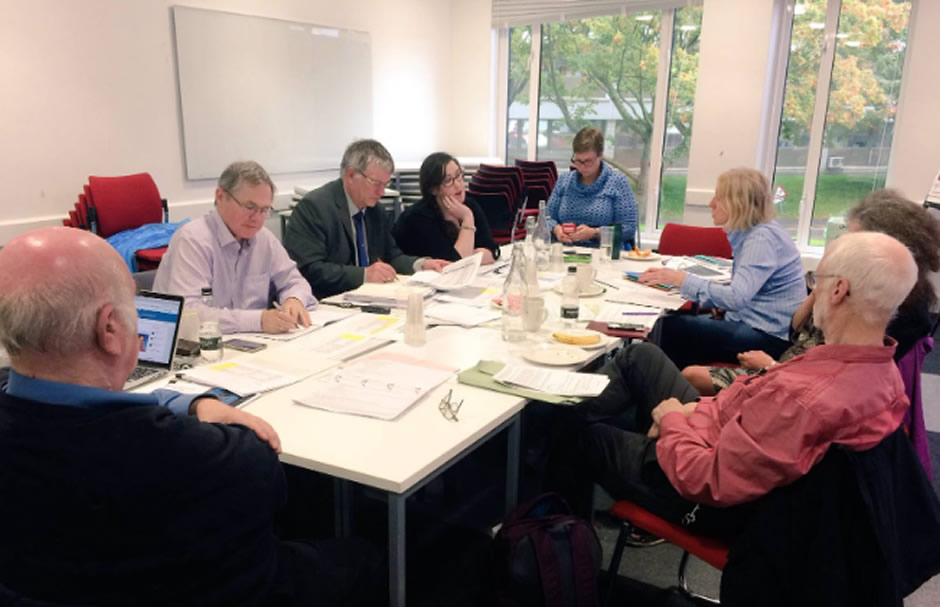
Present your research project or practice ideas diagrammatically on an A1 or A2 poster (for physical display and digitally for uploading to the conference app). You will need to arrange for your poster to be printed and brought to the venue.
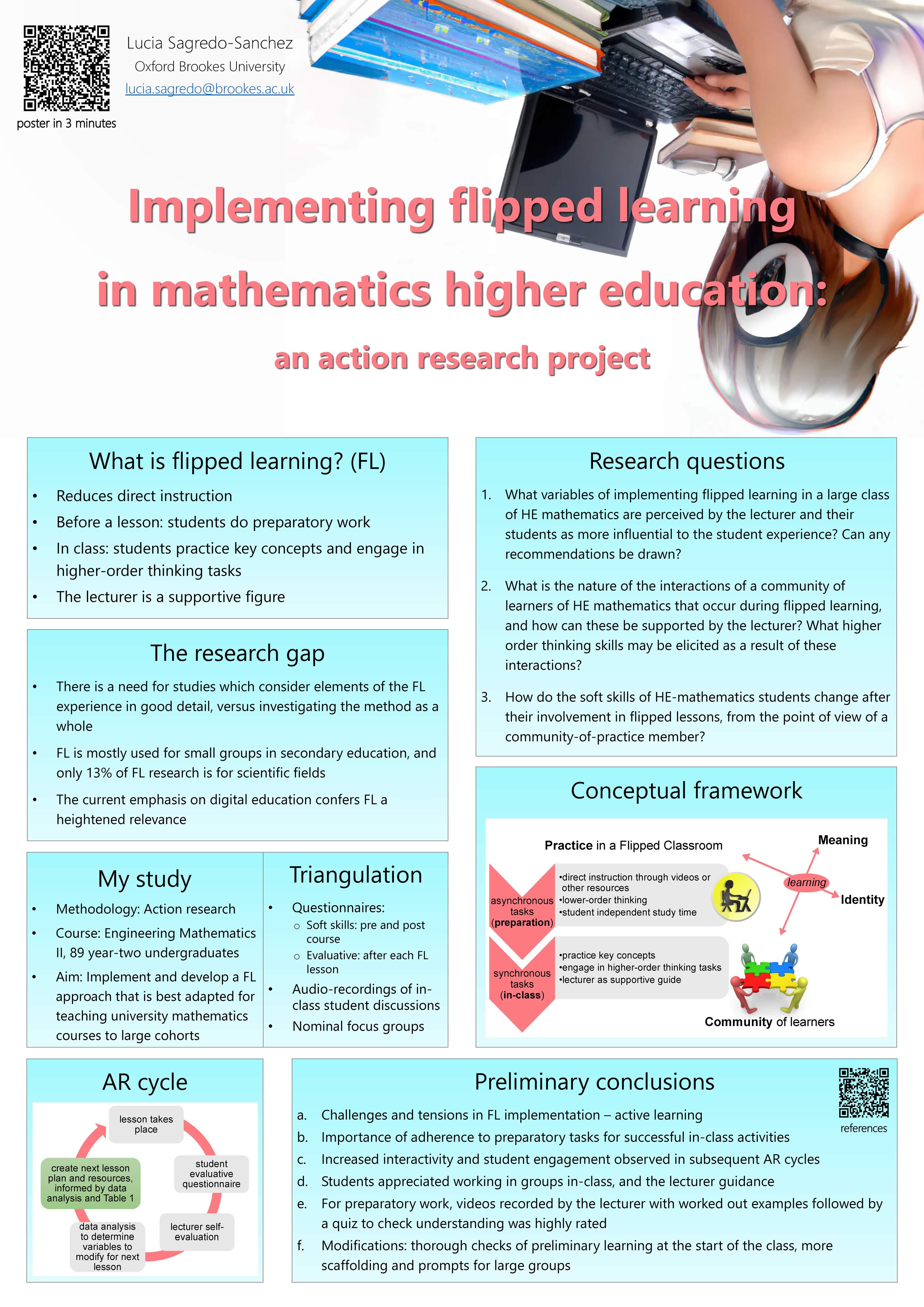
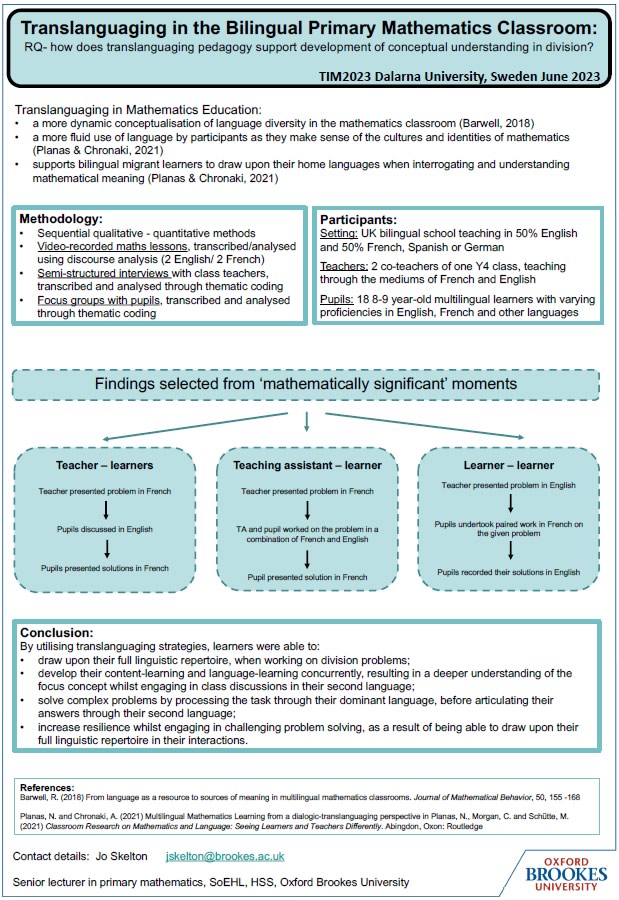
A poster is a visual story of your research; it should be eye-catching and with key messages clearly visible. A poster does not need to follow a traditional research paper structure; it’s important to think about your audience, what they will find interesting and how you can guide them to engage with your work.
Your poster must include: a title (matching your submission); and your name, institution and email address. Your poster might include: coloured sections which are clearly labelled with sub-headings and/or numbered to guide the attention of the reader, or arrows to lead the reader through your story; some short paragraphs of text that can be read from 1 or 2 metres away; appropriate pictures or visual representations of data; simplified text in a table or diagram such as a flow chart; a bibliography; a QR code to access further information; and your institution’s branding. If you are collaborating with others, you could take responsibility for different sections of the poster, or split the area between you and use your section to communicate about your work.
Here are some examples of posters created by the BCME organisers: (click to enlarge)
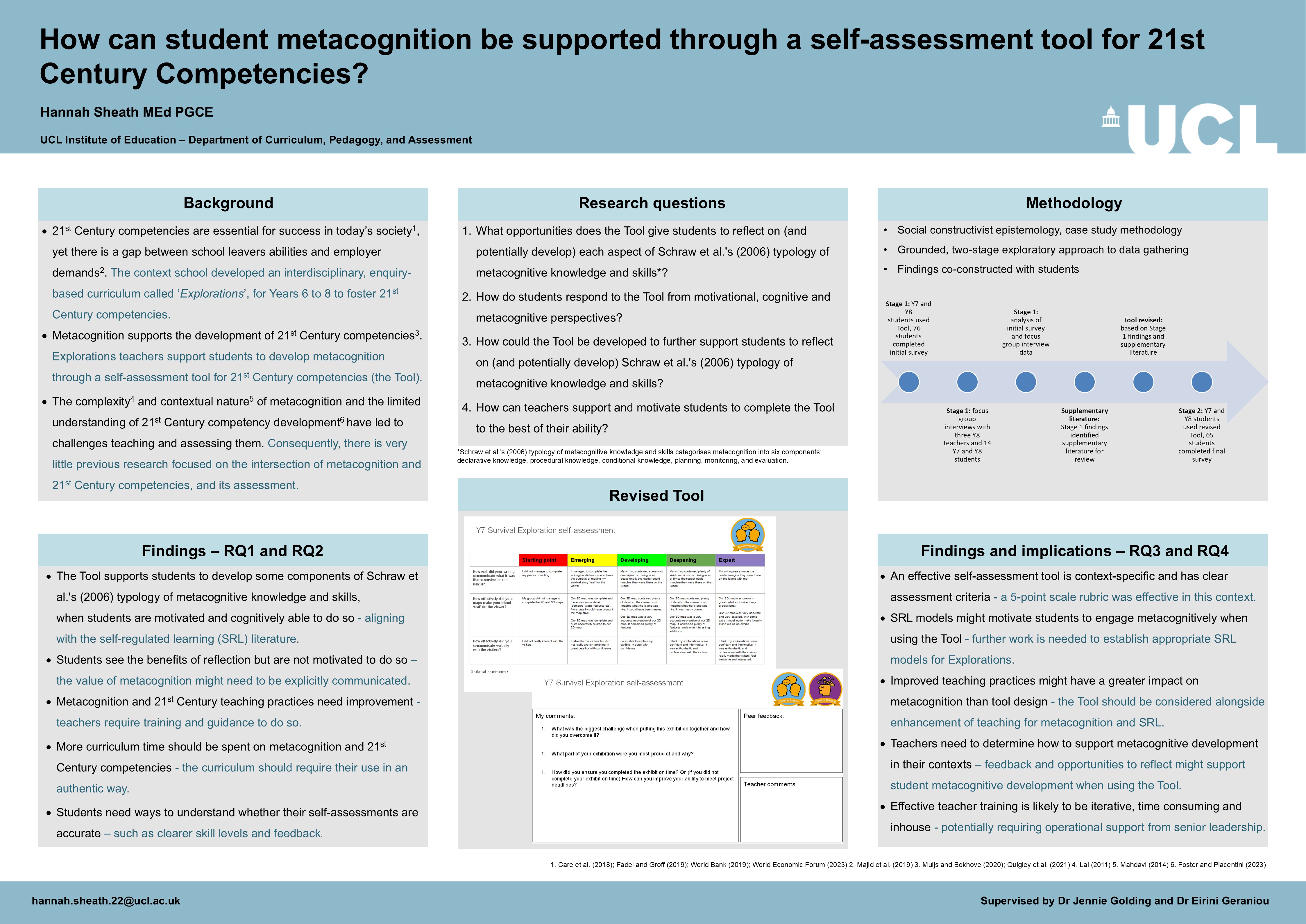
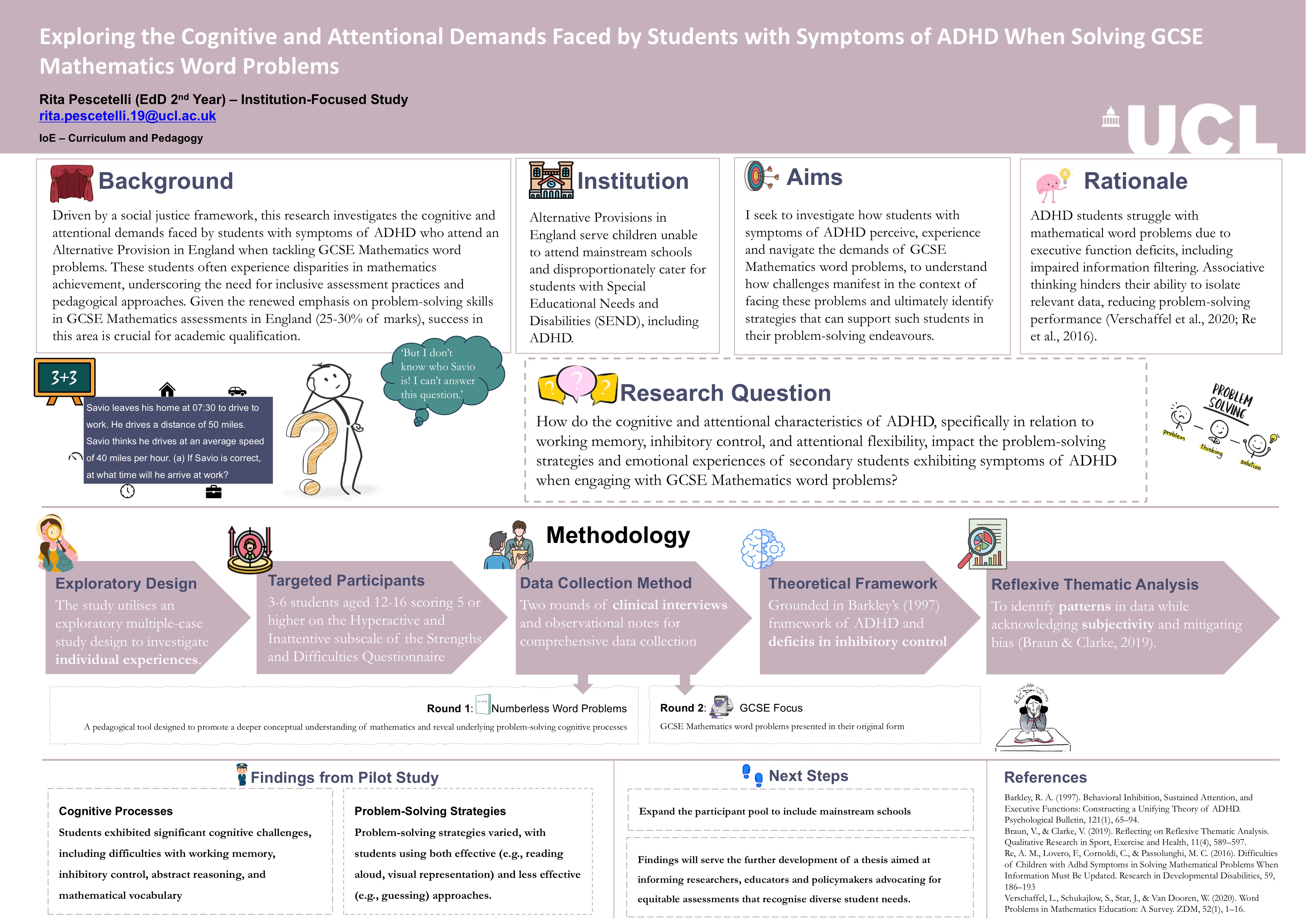
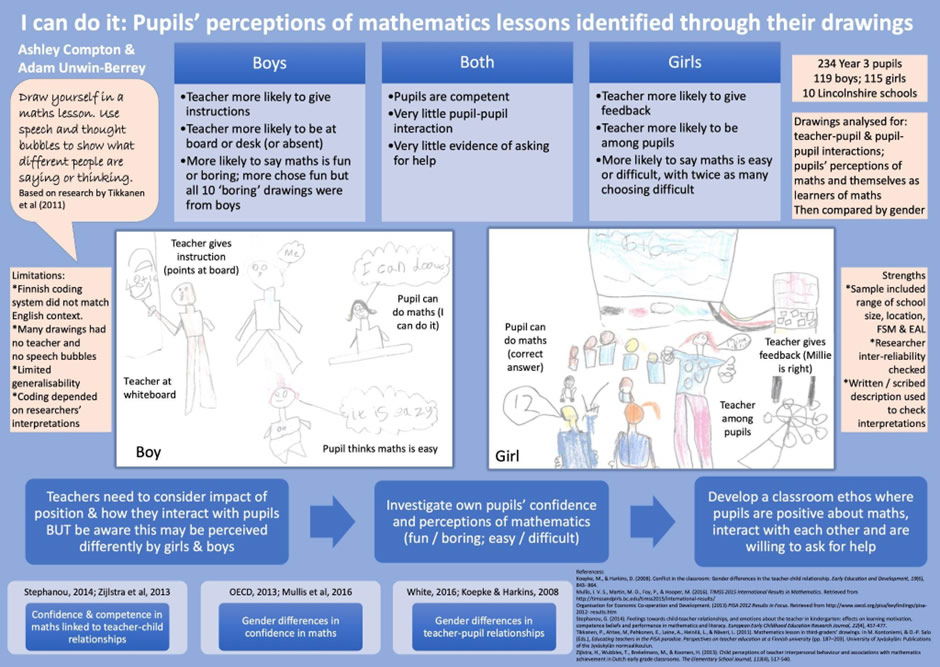
Many universities have useful guides for students and staff, and these can be located through a search for ‘academic poster guidance on creating’, or similar.
Posters will be displayed throughout the two-day conference but you are not expected to be with your poster at all times. Delegates can contact you via email for more information.
During the dedicated poster exhibition sessions on each day, you are encouraged to be with your poster as delegates move around the room to view all the posters on display. Hopefully your poster attracts interest and delegates come across to look at it in more detail. These exhibition sessions provide an opportunity for you to discuss your work, get feedback and interact with interested delegates, if you wish to. It can be useful to prepare a brief (1 or 2 minute) overview of the work that you can say when you are approached, or consider some questions that you could ask if you want feedback on a specific aspect of your work.
Here are some pictures from poster exhibitions to give a sense of how the session will ‘look’.
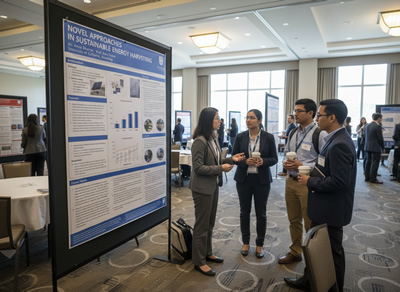
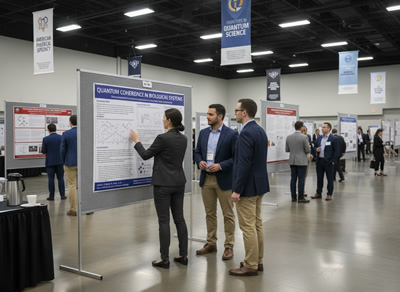
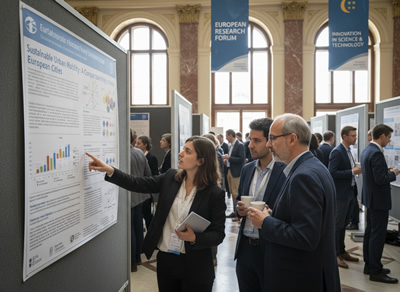
There are many programmes which can be used to design your poster, including Publisher, PowerPoint, Adobe and Canva. Your institution may provide a template.
If you use PowerPoint to design your poster, in Design go to Slide Size and select Custom slide size, then input 42.0cm x 59.4cm (A2) or 59.4cm x 84.1cm (A1). You can choose to design your poster in either a landscape or portrait orientation. The smallest font size for good visibility is 36 points. Consider the visual impact of the poster and accessibility when choosing images, background, contrast, font type, size and colour. Using gridlines or guides (through the View menu) can be helpful in lining up elements. Posters can usually be printed from a .pdf or .png file; check with your printer.
The session or poster title needs to be interesting but accurate. It needs to give a sense of what it is about. The key words should identify the main ideas or concepts related to your session.
Here are some examples from BCME9:
Session title |
Key words |
How might the Numberlink Board™ be used to develop deep conceptual understanding of multiplication through exposing structure and making connections? |
Numberlink Board; learning multiplication; multiplicand; structure; double number line |
Reasons to Reason in Primary Mathematics and Science |
Reasoning; thinking; mathematics; science; primary |
Using NRICH tasks to develop resilient problem solvers |
Resilience; problem-solving; rich tasks |
The New Jericho: Why we must break down the walls of the mathematics classroom |
Mathematics in context; real world; real-life |
Different Problem – Same Answer! |
Problem solving; invariants; proof; age 11-16; differentiation |
Learning mathematics with origami |
Origami, practical geometry, problem-solving |
Inspiring Ideas for Maths Clubs |
Maths Clubs; Maths Camps; low-resource teaching; international collaboration; Kenya mathematics |
Redesigning the assessment-feedback loop to enhance student engagement: a report of audio feedback |
Assessment design; feedback; use of technology; university |
The PRAC Taxonomy for Formal Mathematical Assessments |
Conceptual versus routine thinking; creativity in mathematics; algorithmic procedures; assessing problem solving |
“I get better and better all the time”: Impact of resources on pupil and teacher confidence |
Abacus; confidence; self-efficacy; resources; primary. |
Finding the adult in adults learning mathematics: an academic and political study |
Numeracy; adult education; non-traditional student; lifelong learning; ICME13 |
I can do it: Year 3 children’s perceptions of mathematics lessons identified through their drawings |
Mathematics; competence; teacher-pupil relationships; drawings |
Algorithms Alcatraz: Are children prisoners of process? |
Primary mathematics; multiplicative thinking |
Lesson study, professional development and the development of mathematical and pedagogical understanding. |
Lesson study (LS); professional development (PD); mathematical concepts; pedagogical concepts. |
The abstract is what the Programme Committee will use to make its decisions about what goes into the programme. There are usually more abstracts submitted then there are spaces for on the programme so it is important that your abstract really sells your idea. However, it is important that the title and the abstract need to match what you will actually be presenting or the audience may feel cheated if they came expecting one thing and got something different.
The theme of the conference is Research and Practice in Partnership. We will be looking particularly for submissions that embody this theme.
The abstract needs to include:
- The aims or purpose of the project / practice - Why did you do this?
- How does it fit with the theme of Research and Practice in Partnership?
- Brief overview - What is this about? What theory / literature / other practice does it relate to?
- The context of the project / practice - What sort of setting was this? What age groups were involved? What is your role with respect to the setting?
- For research projects - What methods did you use to collect and analyse the data? How did you ensure the research was ethical?
- For practice based sessions - What strategies or resources were used?
- For round table discussions - What text are you offering for discussion? Why?
- Include a short description of what you (and / or attendees/participants) will do in the session. (N/A for poster presentations)
- What are the key findings from your work?
You only have 250 words for all of this so your abstract needs to be concise! Each of the points above will need to be addressed in one or two sentences.
If your abstract is accepted, delegates will choose your session/poster based on the title and the abstract you have written so it is vital that this matches the content of your session.
This is where you can describe the intended learning outcomes for your session in two or three sentences. This will help delegates to make a decision about whether or not to attend.
When writing your learning outcomes, consider:
- What are the key messages you want delegates to take away from your session/poster?
- Will delegates gain any specific knowledge or skills from your session/poster?
Delegates will come from many different settings and roles. It is important to be clear about what your presentation/poster relates to and who is likely to find it useful. If you believe yours relates to many different age phases or roles, please tick all that apply. It is likely to apply to more than one. However, if you tick Early years and your presentation is all about calculus you will probably get complaints. Think about how your message applies to the different groups. Is it something universal or something specific to an age group or professional role.
On the right hand side of the abstract submission page you need to tell us about the presenters. The first question asks whether you will be attending both days or are just available for one. We will use this information when scheduling presentations.
The details about the presenters allows us to contact you to let you know whether your submission has been accepted. If you have co-presenters, space for their details will appear when you select the number.
Please note that all people listed as presenters will need to register and pay for the conference. There are some bursaries available.